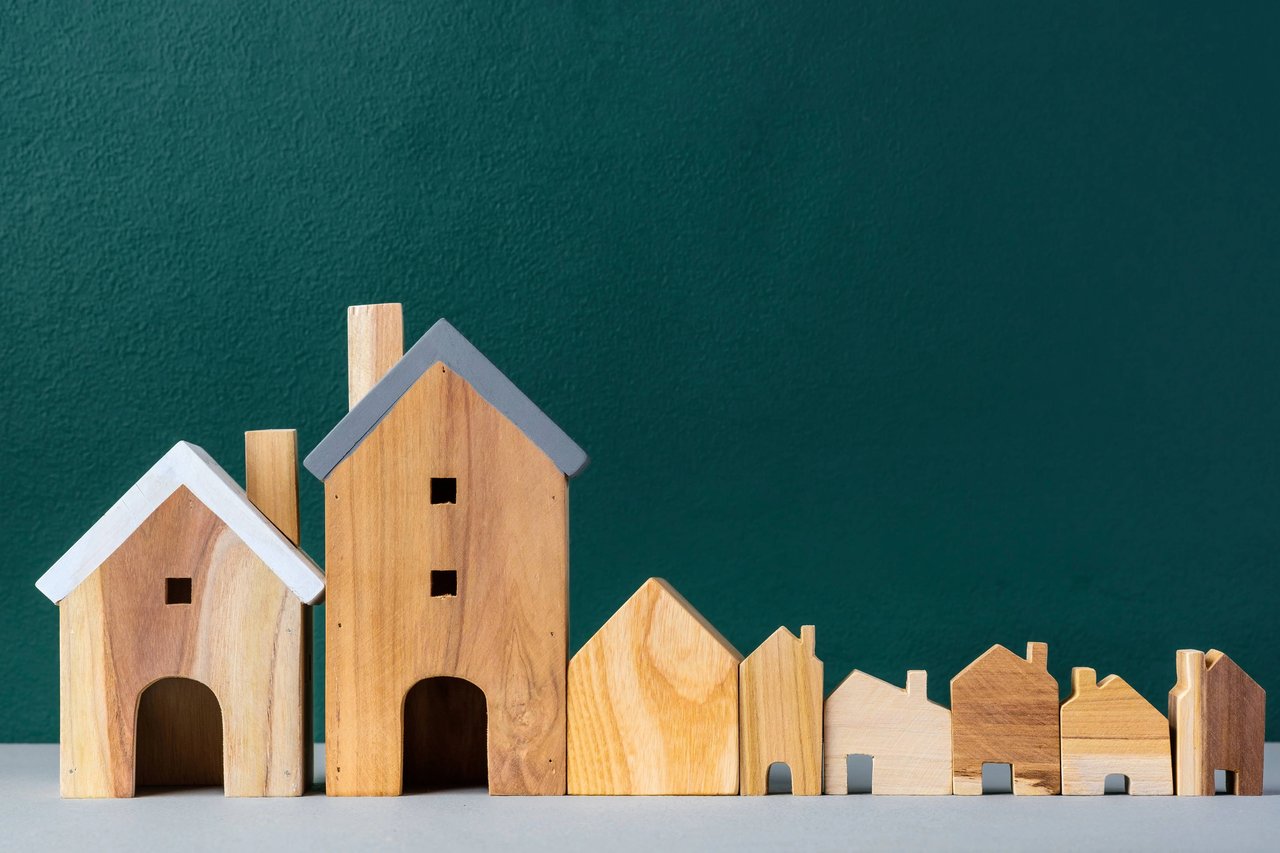
Residential Housing Market in Scottsdale: What’s Really Happening
Real Estate Katy White February 3, 2026
Real Estate Katy White February 3, 2026
Scottsdale has long been one of Arizona’s most desirable places to live; and in 2026, that reputation is still well-earned. But the residential housing market looks a little different than it did during the wild boom years of 2020–2022. Today’s market is more balanced, more strategic, and a lot more nuanced.
If you’re a homeowner, buyer, or someone considering relocating to Scottsdale, here’s a clear, no-hype look at what’s actually happening right now.
As of early 2026, Scottsdale’s residential market has settled into what many would call a “healthy normalization.” After years of rapid appreciation and ultra-low inventory, the pace has cooled; but prices haven’t crashed, and demand hasn’t disappeared.
Median home prices in Scottsdale remain high compared to the broader Phoenix metro, generally ranging from the mid-$800,000s to over $900,000, depending on neighborhood and property type.
Price growth has slowed to a more sustainable pace, typically hovering in the low single-digit annual range, rather than the double-digit spikes seen earlier in the decade.
Inventory levels have increased modestly, giving buyers more options and reducing the pressure to make rushed decisions.
In short: the market isn’t overheated anymore; but it’s far from weak.
For buyers, 2026 feels very different than a few years ago.
Homes are generally staying on the market longer, especially if they’re overpriced or need updates. This shift has opened the door to:
More negotiation on price
Seller concessions, such as interest rate buy-downs or closing cost credits
Fewer bidding wars, except for truly exceptional properties
That said, well-priced homes in desirable areas; like North Scottsdale, McCormick Ranch, or Old Town-adjacent neighborhoods; can still move quickly. Buyers who are prepared and realistic are finding solid opportunities, while those expecting deep discounts may be disappointed.
For homeowners thinking about selling, expectations matter more than ever.
Scottsdale is no longer a market where nearly every listing sells above asking within days. Today’s successful sellers are:
Pricing accurately from the start
Investing in presentation (staging, professional photography, minor updates)
Understanding that buyers are more selective and data-driven
Homes that are priced correctly and show well still sell; often at strong values. But overpricing can lead to longer days on market and eventual price reductions.
One of the biggest themes in 2026 is hyper-local variation.
Luxury and custom homes continue to perform well, especially those offering privacy, views, and modern finishes.
Condos and townhomes have seen steadier (sometimes slower) appreciation, influenced by HOA costs and buyer sensitivity to monthly expenses.
Newer construction tends to attract buyers looking for energy efficiency and lower maintenance, while older homes may need upgrades to compete.
This means Scottsdale isn’t one single market; it’s dozens of micro-markets, each with its own trends.
Despite higher prices and interest rates compared to the early 2020s, Scottsdale remains a relocation hotspot in 2026.
Common reasons include:
Quality of life and year-round sunshine
Strong healthcare and infrastructure
A mix of luxury, outdoor recreation, and cultural amenities
Appeal to retirees, remote professionals, and second-home buyers
These lifestyle factors continue to support long-term housing demand, even as the market becomes more measured.
Looking ahead, most indicators suggest Scottsdale’s residential market will remain stable and resilient rather than volatile.
Prices are expected to grow gradually, not explosively
Inventory will likely stay tighter than the national average
Smart pricing and strategy will matter more than timing the market
For buyers and sellers alike, 2026 is about making informed decisions; not chasing headlines.
The Scottsdale residential housing market in 2026 is best described as calm, competitive, and mature. It rewards preparation, realistic expectations, and a clear understanding of local conditions.
Whether you’re selling a longtime home, buying your first place in the desert, or relocating for lifestyle reasons, the key is understanding what’s really happening; not what the market used to be. And in Scottsdale, the fundamentals are still strong.
|
Topic |
Key Takeaways |
|
Overall Market Condition |
Scottsdale’s residential housing market in 2026 is stable and balanced, moving away from extreme seller conditions while remaining competitive in high-demand areas. |
|
Home Prices |
Median home prices generally range from the mid-$800,000s to $900,000+, with slower, more sustainable appreciation compared to earlier years. |
|
Inventory Levels |
Inventory has increased modestly, giving buyers more choices while still remaining tighter than the national average. |
|
Buyer Conditions |
Buyers have more leverage than in previous years, including negotiation power, fewer bidding wars, and potential seller concessions. |
|
Seller Conditions |
Sellers must price homes accurately and focus on presentation; overpricing often leads to longer days on market and price reductions. |
|
Days on Market |
Homes are staying on the market longer overall, though well-priced properties in desirable neighborhoods still sell relatively quickly. |
|
Neighborhood Trends |
Scottsdale functions as multiple micro-markets; performance varies widely by neighborhood, property type, and condition. |
|
Luxury vs. Condos |
Luxury and custom homes continue to perform strongly, while condos and townhomes see steadier growth influenced by HOA costs. |
|
Relocation Demand |
Scottsdale remains a popular destination due to lifestyle, climate, healthcare access, and appeal to retirees and remote workers. |
|
Market Outlook |
The outlook for Scottsdale housing is gradual price growth, steady demand, and continued importance of strategy over timing. |
In 2026, the Scottsdale housing market is considered more balanced than in previous years. Buyers have increased leverage due to higher inventory and longer days on market, while sellers still benefit from strong pricing in desirable neighborhoods. The market favors those who price and negotiate strategically.
Most market indicators suggest that Scottsdale home prices are not expected to decline significantly in 2026. Instead, prices are stabilizing with modest, sustainable growth. While some overpriced homes may see reductions, well-priced properties continue to hold their value.
For buyers who are financially prepared, 2026 can be a good time to buy in Scottsdale. Increased inventory and fewer bidding wars allow for more thoughtful decision-making and negotiation. Buyers focused on long-term value rather than short-term timing are finding strong opportunities.
On average, homes in Scottsdale are taking longer to sell than during the peak market years, especially if pricing or condition is not competitive. However, homes that are priced correctly and located in high-demand neighborhoods can still sell relatively quickly.
Scottsdale continues to attract buyers due to its quality of life, year-round sunshine, healthcare access, outdoor recreation, and luxury amenities. These lifestyle factors, combined with limited land availability, continue to support strong long-term housing demand.

Top 1% Realtor in Scottsdale Arizona
𝗞𝗮𝘁𝘆 𝗪𝗵𝗶𝘁𝗲 is a Top 1% Scottsdale luxury real estate agent specializing in golf communities and luxury home sales across Scottsdale and Paradise Valley.
Katy provides local market insights, luxury home expertise, and strategic guidance for buyers and sellers in communities including DC Ranch, Silverleaf, Terravita, Troon North, and Grayhawk.

Discover Fall Arizona Restaurant Week 2026, the opening of Kuza in North Scottsdale, and how Scottsdale’s dining scene adds to the lifestyle buyers love.

If you are new to Scottsdale, one of the first fall golf terms you may hear is “overseeding.”

Scottsdale’s Arabian horse tradition is an important part of the area’s equestrian culture.


Lifestyle
𝗟𝘂𝘅𝘂𝗿𝘆 𝗿𝗲𝗮𝗹 𝗲𝘀𝘁𝗮𝘁𝗲 demands strategy, discretion, and trusted local expertise. As a dedicated 𝗹𝘂𝘅𝘂𝗿𝘆 𝗥𝗲𝗮𝗹𝘁𝗼𝗿 𝗶𝗻 Arizona, Katy White delivers a personalized, hands-on approach for buyers and sellers of 𝗦𝗰𝗼𝘁𝘁𝘀𝗱𝗮𝗹𝗲 𝗹𝘂𝘅𝘂𝗿𝘆 𝗵𝗼𝗺𝗲𝘀.